

Buyer's Checklist
Six questions before you sign with any apparel vendor.
Production accountability, artwork, minimums, written timing, garment suitability, and reorders. Ask every provider the same six questions.
Choose a custom apparel company on six criteria: production accountability, artwork quality, minimums, written timing, garment suitability, and the reorder process. Use the same order specification for every provider.
The Checklist
Six criteria, in order of impact.
Production accountability
Ask who manages your order and who performs each production step. A good provider explains its model, names your accountable contact, and documents the approved specification.
Digitizing review
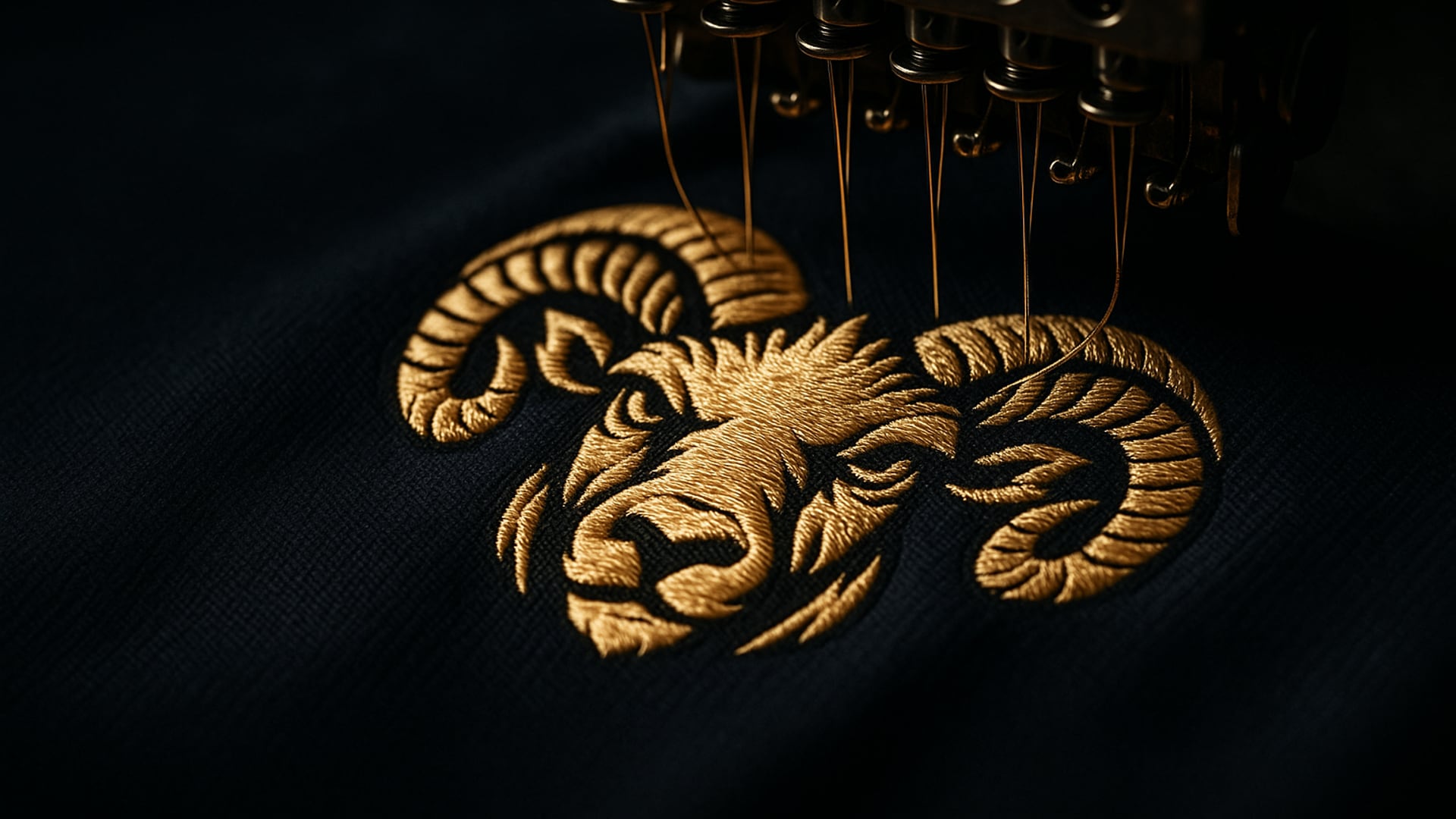
Embroidery requires a stitch file prepared for the exact artwork, garment, size, backing, hooping, machine, and placement. Ask for a proof or sample and approve the production-specific treatment.
Minimum-order flexibility
Ask for the minimum by garment and decoration method. Also ask whether a small reorder can use a different method or pricing structure instead of waiting for a larger batch.
Written timing
Get the current production timing in writing for your exact garment, artwork, quantity, and delivery requirements.
Protective-apparel process
The employer selects protective apparel. Require current manufacturer approval for the exact decoration method and placement before production; a shop cannot certify the complete workplace PPE system.
Reorder process
Ask which artwork and production specifications remain available. Also ask what must be reviewed again when products or requirements change.
The Buyer's Read
Why most apparel vendor comparisons miss the real risk.
Most buyers start with price per shirt. That number does not explain who owns the order, how artwork gets approved, or what happens when you reorder later.
The six criteria above expose the details that price hides. Partner production can work well when the provider documents responsibilities, specifications, approvals, and timing. Poor artwork or unclear ownership creates avoidable risk in any production model.
Bighorn Threads provides Las Vegas account management and coordinates embroidery and screen printing through production partners. See the logo digitizing breakdown for questions to ask about artwork. Minimums, timing, and garment requirements are confirmed for the specific order.
On reorders, ask which artwork and production specifications remain available, whether the original garment is still available, and what must be reviewed again. Consistency depends on both the saved production information and the current materials.
If you're vetting vendors right now, run this checklist against each one before you commit. See how Bighorn Threads answers all six, then compare.
FAQ
Vendor selection questions, answered.
How do I choose the right custom apparel company?
Evaluate each company on production accountability, artwork quality, minimums, written timing, garment suitability, and reorders. Ask every provider to quote the same order specification.
What's the biggest red flag when picking a custom apparel vendor?
A vendor that cannot explain who manages the order, who performs production, and who owns problems. Transparent providers document the process before you approve it.
Should I ask for a physical sample before placing a full order?
Ask what proof or sample options are available for your order. Confirm any related cost, timing, and approval terms in writing.
Does a lower price always mean lower quality?
No. Compare itemized quotes against the same garment, artwork, decoration, quantity, timing, and reorder terms. Price alone does not explain the complete order.
How important is a local account contact?
A local contact can make requirement reviews and communication easier. Production location alone does not guarantee timing or quality. Compare the complete process in writing.
What questions should I ask before signing a contract with an apparel vendor?
Ask who manages the order, who performs production, what the current minimum and timing are, how artwork approval works, and how reorders are reviewed.
Run the checklist against us.
Send your logo and garment list. We'll answer all six in writing.